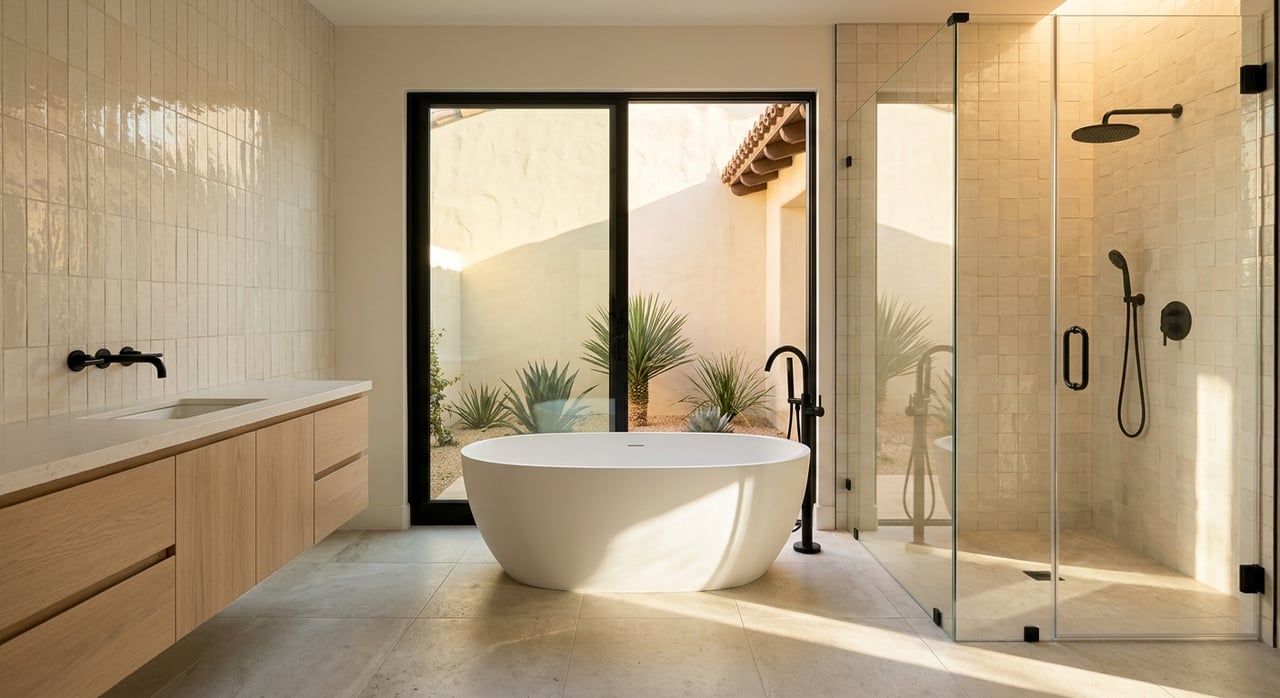
Palm Springs Second Home Buyers Guide for Desert Living
May 28, 2026
May 28, 2026
Wondering if a Palm Springs second home is all sunshine and pool days? It can be, but desert living comes with its own rules, rhythms, and costs. If you are thinking about buying a seasonal place here, this guide will help you understand how Palm Springs works, what to look for in a neighborhood, and which ownership details matter most before you buy. Let’s dive in.
Palm Springs has a distinct second-home pattern, and the climate is a big reason why. The city notes a large second-home base, a winter population surge, and about 350 days of sunshine.
That weather shapes how many owners actually use their homes. NOAA normals for Palm Springs Regional Airport show an average high of 69.2°F in December and 108.6°F in July, with only 4.61 inches of annual precipitation.
In practical terms, late fall through spring is usually the most comfortable season for outdoor living. Summer ownership often puts more focus on air conditioning, shade, pools, and indoor entertaining.
A Palm Springs second home is often about lifestyle, but the lifestyle works best when you plan for the environment. Heat, sun exposure, irrigation, and pool care all affect how the home performs when you are in town and when you are away.
That makes practical features just as important as style. Covered patios, efficient cooling, low-water landscaping, and manageable outdoor maintenance can make a big difference in your long-term experience.
If you are buying from out of area, this matters even more. You want a home that fits how often you will visit, how much hands-on care you want, and whether you plan to leave the property vacant for stretches of time.
Palm Springs has 52 officially recognized organized neighborhoods, and many second-home options come with HOA oversight. If you are comparing homes, HOA dues should be part of your carrying-cost math from the start.
In California, HOA CC&Rs set rules and homeowner obligations. Reserve studies are also used to budget for major items like roofs, exterior paint, and recreation areas, which means reserve strength can tell you a lot about future financial stability.
For a second-home buyer, monthly dues are only part of the picture. You should also ask what those dues cover, how well reserves are funded, and whether the community rules match the way you want to use the home.
Before you move forward, pay attention to a few core items:
These details can change the true cost of ownership quickly. A lower purchase price does not always mean a lower total cost if dues, reserves, or amenity fees are high.
If part of your plan is offsetting costs with short-term rental income, Palm Springs rules deserve a close look early in your search. The city treats vacation rentals and homeshare as secondary uses of residential property, and they are limited to single-family dwelling units, not apartments.
For new vacation-rental permittees, Palm Springs allows no more than 26 vacation-rental contracts per calendar year. Existing permittees can have up to 32, plus up to four additional third-quarter-only contracts.
The neighborhood cap also matters. The city caps vacation-rental certificates at 20% of residential units in an organized neighborhood, and applications are returned when that threshold has been reached or exceeded.
Homeshare has its own rules. The owner must live on site, stays must be 28 consecutive days or less, there is no annual limit on how many times the home can be rented, and neighborhood percentage caps do not apply.
That distinction is important if you are comparing different ways to use the property. A home that looks promising on paper may not fit your goals if you want flexible short-term rental use but the neighborhood cap or HOA rules get in the way.
Short-term rental income should always be modeled conservatively. Palm Springs currently charges an 11.5% transient occupancy tax, or TOT, plus a 1% TBID assessment on short-term stays under 28 days.
The city also requires monthly TOT returns, even if there were no guests. On top of that, buyers should account for cleaning, vacancy, management, HOA restrictions, and the possibility that future permit availability may be limited by neighborhood caps.
In Palm Springs, maintenance is not just cosmetic. Landscaping, irrigation, and pool care are core ownership items, especially if the home will sit empty part of the year.
The city recommends hardy plants and water-efficient landscaping, and the city and Desert Water Agency offer a combined $3 per square foot turf-conversion rebate. Coachella Valley Water District also provides a watering guide, monthly sprinkler-maintenance guidance, conservation seminars, and a free smart irrigation controller.
If you want a low-maintenance second home, a yard with less turf and more desert-friendly design may be a better fit. That choice can lower water use, reduce upkeep, and make the property easier to manage from a distance.
When you tour homes, ask:
These questions may not be the most glamorous part of the search, but they can save you from expensive surprises later.
Because most of Palm Springs is already built out, neighborhood choice usually matters more than waiting for a wave of new inventory. In many cases, the best strategy is to get clear on your priorities and compare areas based on how you plan to use the home.
Some buyers want to be close to downtown activity. Others care more about privacy, golf access, historic character, or lower monthly carrying costs.
The city’s neighborhood spotlights show how varied Palm Springs can feel from one area to the next. Historic Tennis Club is tied to downtown and the O'Donnell House, Vista Las Palmas is known for its mix of history and celebrity, Racquet Club South blends rich past with present-day charm, Indian Canyons is known for its landscape, Deepwell for openness, Tahquitz River Estates for history, and Vista-Chino for convenience.
The broader neighborhood list includes areas such as Old Las Palmas, Movie Colony East, Twin Palms, Sunmor, Sunrise Park, and Warm Sands. For buyers, that means a wide range of architectural eras, settings, and ownership styles to compare.
As you narrow your options, these tradeoffs can help:
This kind of framework helps you stay focused. It is easy to get distracted by design and views, but your day-to-day fit usually comes down to location, rules, and upkeep.
Palm Springs is well known for architecture, and that can be a big part of the appeal. But if you are considering a historic or potentially historic property, you should understand what that means before you plan major updates.
The city’s historic preservation program is designed to protect areas and buildings that reflect Palm Springs history and architecture. The city also maintains historic-designation regulations, district guidelines, and a Mills Act program that can provide tax savings tied to restoration and maintenance.
That does not mean a historic home is harder to own. It does mean you should ask clear questions about design review, renovation limits, and whether the property has any designation-related obligations or benefits.
A showing goes better when you know what to ask. For second-home buyers, the right questions often reveal more than the finishes do.
Here is a smart checklist to bring with you:
These questions help you compare homes on more than appearance alone. They also make it easier to avoid buying a property that does not support your actual goals.
If you are shopping for a second home from another city or state, Palm Springs can look simple at first glance. But neighborhood caps, HOA rules, historic considerations, and desert maintenance needs can create real differences from one property to the next.
That is where local, neighborhood-level guidance matters. You want clear answers about how a home will live, what it will cost to carry, and whether it fits your plans for personal use, seasonal occupancy, or rental income.
A thoughtful buying process is not just about finding a beautiful home. It is about making sure the home works for your lifestyle in every season.
If you are exploring a Palm Springs second home and want clear, concierge-level guidance, Levi Knapp can help you compare neighborhoods, evaluate ownership costs, and buy with confidence.
Stay up to date on the latest real estate trends.
Whether buying your first desert retreat or selling a signature property, Levi Knapp delivers a seamless and sophisticated experience every step of the way.