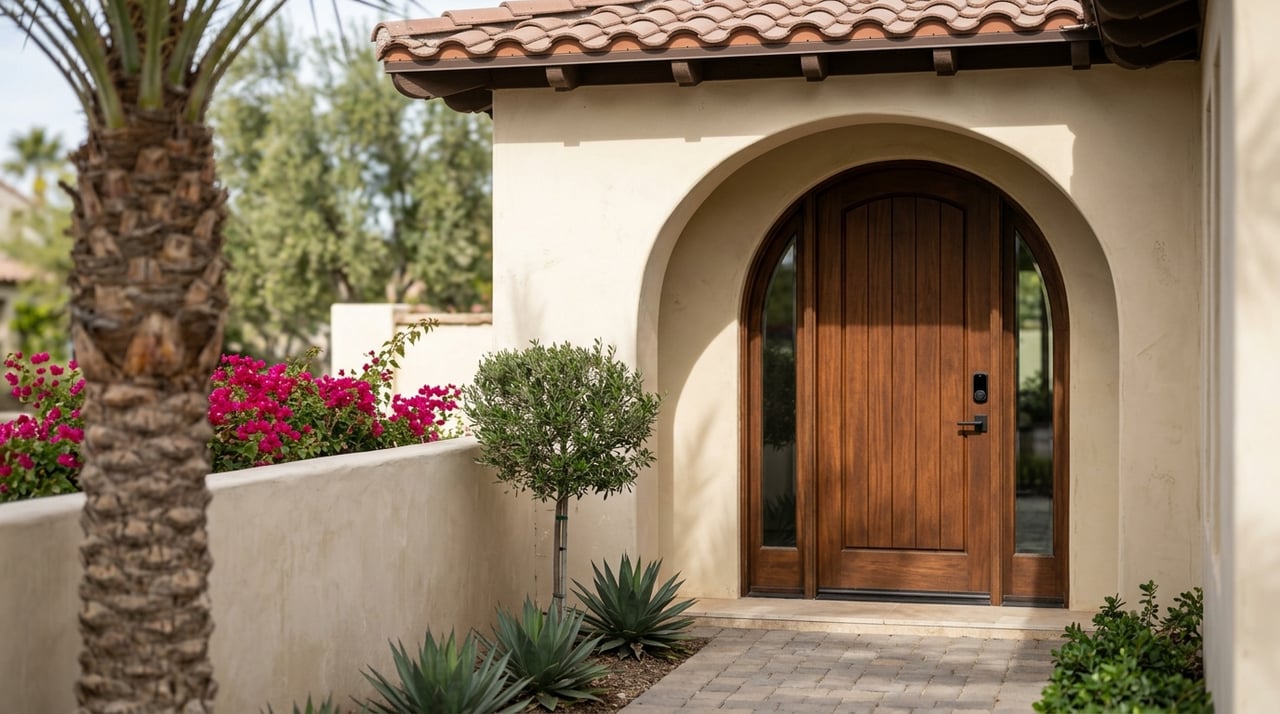
Should Your La Quinta Investment Property Be a Vacation Home?
June 18, 2026
June 18, 2026
Are you buying in La Quinta for your own desert escape, or are you trying to build a reliable rental asset? That question matters more here than in many markets because La Quinta blends a strong resort lifestyle with active short-term rental rules and California landlord regulations. If you are weighing a vacation home with occasional rental income against a long-term lease strategy, understanding the tradeoffs early can save you time, money, and frustration. Let’s dive in.
La Quinta is not just any desert city. It has a strong winter and spring seasonal draw, a resort identity, and an established short-term vacation rental system. As of December 31, 2025, the city reported 1,215 active short-term vacation rental permits, which shows that this use is common but also closely regulated.
That means the same home can perform very differently depending on how you plan to use it. A second home that you enjoy personally and rent only sometimes has a very different tax, compliance, and cash-flow profile than a home used as a full long-term rental. Before you buy, it helps to decide which lane fits your goals.
If your main goal is lifestyle, a vacation-home approach may feel like the right fit. You get a place to enjoy during the season, host family or friends, and potentially offset some costs with limited rental use. For many buyers in La Quinta, that flexibility is part of the appeal.
From a tax standpoint, the IRS treats occasional rental use differently depending on how many days you rent the home. If a dwelling is used as a home and rented for fewer than 15 days in a year, the rental income is not required to be reported, and the activity is not reported on Schedule E. Once the home is rented for 15 days or more, rental income must be reported, and expenses must be allocated between personal and rental use.
The IRS also applies a personal-use test. For these rules, a property is treated as a home when your personal use exceeds the greater of 14 days or 10 percent of the days rented at fair rental value. When that happens, loss deductions can become limited.
A vacation-home model often works best if you want personal enjoyment first and income second. You may care more about having access during peak season than maximizing booked nights. That can be a very reasonable strategy in a lifestyle market like La Quinta.
It can also suit buyers who are comfortable with some complexity. Once you mix personal use with rental use, recordkeeping and expense allocation become more important. A CPA can help you decide how that use should be tracked from the start.
If you plan to rent a property for 30 consecutive days or less, La Quinta requires both a short-term vacation rental permit and a business license before you advertise or rent the home. This is one of the biggest reasons buyers should not assume that every property can simply become a vacation rental.
The city identifies several permit categories, including Homeshare, Primary Residence, General STVR, and Estate Home. Homeshare requires the owner to live on-site throughout the visitor’s stay, while General STVR is the category used for a secondary residence or investment property.
One of the biggest practical issues for buyers is that La Quinta has a permanent ban on new permits in the General and Primary categories except in limited exempt areas. The city still allows Homeshare permits and certain large-lot properties to apply under current rules. This means short-term rental eligibility depends heavily on location, property type, and local rules in effect at the time.
There is another detail that often surprises buyers. STVR permits are issued for one property only, they are not transferable to another property, and they are closed when a property is sold. In other words, a home with an existing permit history is not the same thing as buying a transferable operating right.
Owning a short-term rental in La Quinta is not a set-it-and-forget-it arrangement. The city requires annual renewal, posting the permit and guest brochure in the unit, advertising the six-digit permit number and authorized bedroom count, and following occupancy limits based on bedroom count.
The city also enforces the program through a 24/7 complaint hotline. Reported issues include noise, excess parking, bright lights, trash, unsecured pool access, and unmaintained yards. Administrative violations can include operating without a permit or business license, failing to display the permit number, and failing to report or remit required taxes.
If your main goal is steadier occupancy and simpler turnover, a long-term rental may be the better fit. Instead of managing guest bookings and city tourism compliance, you are focused on lease terms, repairs, notices, deposit handling, and ongoing landlord responsibilities.
For tax reporting, a traditional long-term rental is generally treated as a residential rental activity on Schedule E. The IRS says common deductible rental expenses can include mortgage interest, property tax, operating expenses, depreciation, repairs, advertising, utilities, and insurance. Good recordkeeping matters here too, especially if you want to substantiate deductions.
In California, many long-term rentals are covered by AB 1482. According to the California Department of Real Estate guide, the law caps annual rent increases at 5 percent plus CPI or 10 percent, whichever is lower. It also limits increases to twice in a 12-month period and adds just-cause protections after the tenancy reaches the statutory threshold.
Security deposits are another important rule. As of July 1, 2024, most landlords may charge no more than one month’s rent as a security deposit, with a limited small-landlord exception allowing up to two months’ rent. If you are buying for long-term rental income, these rules should be part of your planning from day one.
In La Quinta, the choice between short-term and long-term use often comes down to how you value flexibility versus predictability. A vacation-home strategy gives you personal access, but every week you use the home is a week that cannot produce rental income. In a seasonal market, that tradeoff can be significant.
Short-term use also comes with local tax obligations. La Quinta charges a 10 percent transient occupancy tax on short-term rental income, and taxable gross receipts include guest charges such as cleaning fees and pool heating fees. The city also states that a 1 percent TBID assessment applies to rental stays of 27 days or less, while no TBID is due for 28- to 30-day stays.
Those taxes must be reported monthly no later than 30 days after the end of the reporting month. Late remittances can lead to penalty and interest. So even if nightly rates look attractive, you need to account for city taxes, compliance, and administrative work when evaluating the real return.
A long-term rental often brings steadier occupancy and less frequent turnover. The tradeoff is that you are operating within California’s landlord-tenant framework, which is more formal and compliance-driven in different ways. For some owners, that feels simpler than running a guest-facing property. For others, the flexibility of personal use makes short-term ownership worth the extra work.
The right choice usually becomes clearer when you walk through a few practical questions. These are the conversations worth having before you go under contract:
These are not small details. In La Quinta, they can materially change how useful, profitable, or manageable a property will be.
A vacation-home strategy generally fits buyers who prioritize personal enjoyment and are willing to manage the city’s STVR requirements. This can be especially appealing if you want a seasonal base in the desert and view rental income as a secondary benefit rather than the main objective.
A long-term rental strategy usually fits buyers who want steadier occupancy and a more predictable operating pattern. You give up the easy personal-use flexibility of a true vacation home, but you may gain simpler planning around income and occupancy.
Neither path is automatically better. The better option is the one that matches how you actually plan to use the property, how involved you want to be, and what local rules allow at that address.
In La Quinta, the details matter. Short-term rental eligibility is not universal, permits do not transfer with a sale, and the tax treatment of a mixed-use property can change based on how many days you use and rent it. That is why buyers do best when they line up the property, the location, and the intended use before making an offer.
If you are comparing second-home options, golf community homes, or investment-minded purchases in La Quinta, local guidance can help you avoid buying the right house for the wrong strategy. For a concierge, boots-on-the-ground perspective on what fits your goals, connect with Levi Knapp.
Stay up to date on the latest real estate trends.



Whether buying your first desert retreat or selling a signature property, Levi Knapp delivers a seamless and sophisticated experience every step of the way.