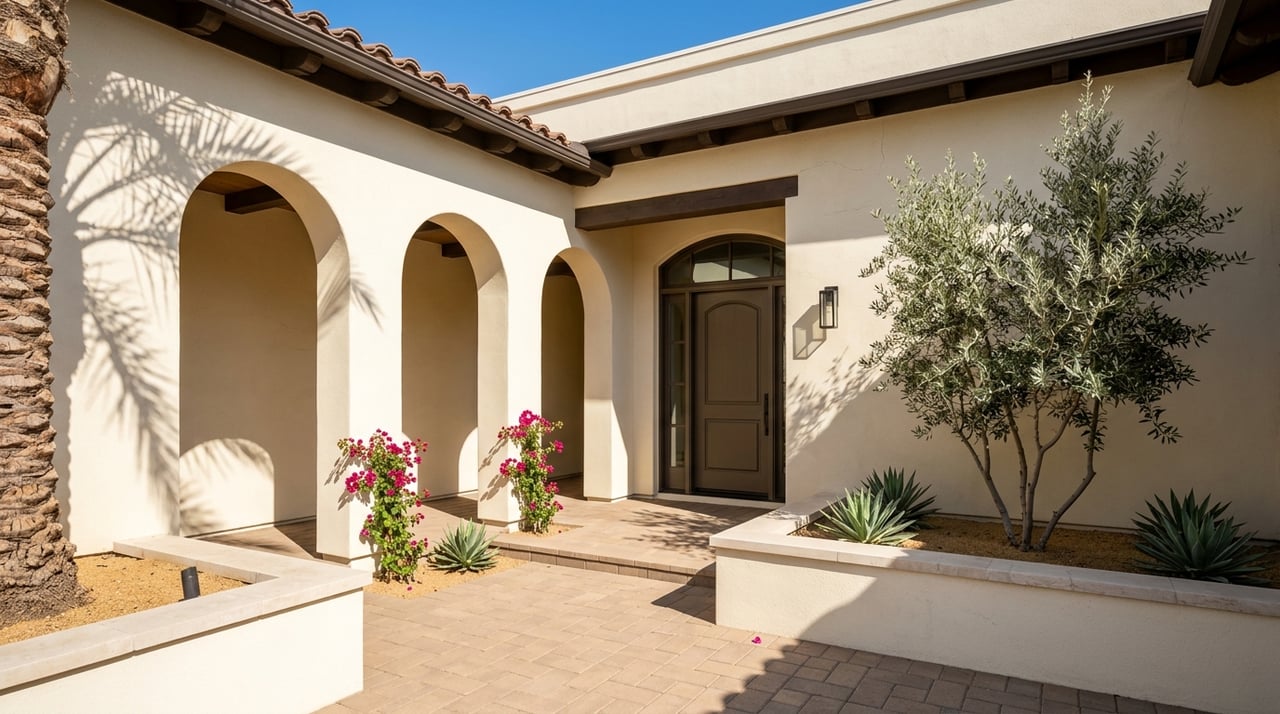
How to Sell Your La Quinta Home Remotely
June 25, 2026
June 25, 2026
If you own a home in La Quinta but live somewhere else, selling can feel like a project with too many moving parts. You may be wondering how to handle disclosures, prep the property, manage showings, and sign closing documents without hopping on a plane every week. The good news is that a remote sale can run smoothly when you plan ahead and put the right local support in place. Let’s dive in.
La Quinta is not just any housing market. The city highlights its resort setting, more than 20 golf courses, the historic La Quinta Resort & Club, and a large winter and spring seasonal population. That means many buyers may first evaluate your home online or while planning a future visit.
For you as an out-of-area owner, that changes the game. Your sale is not only about pricing well. It is also about making the home easy to access, easy to understand, and easy to purchase from a distance.
One of the smartest things you can do is gather disclosures before your home goes live. In California, the Real Estate Transfer Disclosure Statement asks about the property’s condition, including systems, structural issues, environmental hazards, drainage or flood concerns, major damage, permit issues, and HOA matters. The form also specifically accounts for sellers who are not occupying the property.
That matters because timing can affect the transaction. If disclosures are delivered after the contract is signed, the buyer may have 3 days to terminate if they are delivered in person or 5 days if mailed. For a remote seller, early preparation can reduce delays and help the sale feel more organized from the start.
If you have owned the property as a second home or investment property, it helps to collect these items before buyers start asking questions. A complete disclosure package can make your listing feel more transparent and easier to evaluate.
If your La Quinta property is in an HOA or another common interest development, do not wait until the last minute to request documents. Under California Civil Code section 4525, sellers need a package that includes governing documents, current assessment and fee information, unpaid assessments or penalties, unresolved violation notices, rental restrictions, and certain other association records.
The association must provide requested documents within 10 days. Since La Quinta includes many gated and resort-style communities, HOA rules can directly affect a buyer’s decision. Starting this step early helps avoid delays later, especially if the buyer wants to review rental restrictions or fee details before moving forward.
If your home has been used as a short-term vacation rental, verify the current permit and transient occupancy tax status before listing. La Quinta manages STVR permits and TOT through its online portal, and the city identifies the General permit as the category for a second home or investment property used as an STVR.
This is an important step for remote owners. If a buyer is evaluating the property for part-time use or investment potential, clear information about permit status can help prevent confusion during escrow.
When you do not live nearby, property preparation becomes a local logistics project. The biggest wins usually come from handling the tasks that affect first impressions and day-to-day showing readiness.
A practical prep plan should include a local walkthrough, cleaning, decluttering, curb appeal work, minor repairs, landscaping, pool service, and gathering documentation for recent upgrades or permits. These are the items that can be difficult to manage from another city or state, but they also shape how buyers perceive value.
The National Association of Realtors reported in its 2025 staging report that decluttering, full-home cleaning, curb appeal, professional photos, minor repairs, carpet cleaning, depersonalizing, paint touch-ups, and landscaping were among the most common seller recommendations. For a market like La Quinta, those details can have an outsized impact.
When buyers are not always local, your listing media needs to carry more of the load. NAR reported that 81% of buyers rated listing photos as the most useful feature in their online home search. Buyers’ agents also identified photos, traditional staging, videos, and virtual tours as highly important.
That is especially relevant in La Quinta, where seasonal and second-home buyers may narrow down options before they arrive in person. Strong visuals can help your property stand out and give buyers enough confidence to take the next step.
Staging can also help. NAR reported that staging made it easier for 83% of buyers’ agents to help buyers visualize a home. About 29% of agents said staging increased the dollar value offered by 1% to 10%, and about 49% said it reduced time on market.
Once your home is active, the showing process needs structure. A local point person should manage lockbox access, gate codes, alarms, pets, utility status, and appointment timing. In a market with a large seasonal population, speed and responsiveness matter.
You do not want a missed code, a tripped alarm, or an unready property to create friction for interested buyers. Remote sellers benefit from having someone on the ground who can keep the home show-ready and solve small issues before they become bigger ones.
Inspections can feel more stressful when you are not nearby, but the process becomes easier when expectations are clear. You will want someone local to coordinate access, confirm utilities are on, and make sure inspectors can enter the property and any gated areas without delay.
This is also where a well-prepared disclosure package helps. When buyers and inspectors already have clear information about the home, the process often feels more straightforward and less reactive.
Many parts of a California transaction can move electronically. California recognizes electronic signatures under the Uniform Electronic Transactions Act, which helps remote sellers handle much of the paperwork from wherever they live.
However, not everything can be done fully online. The California Secretary of State says current law still requires personal appearance before a notary for acknowledgments or jurats, and California does not currently authorize remote online notarization.
This is one of the most common surprises for out-of-area sellers. If you know it is coming, you can plan for it early and avoid a closing delay.
As closing gets closer, the transaction shifts from marketing to execution. In Riverside County, the Recorder requires a Documentary Transfer Tax affidavit when documentary transfer tax is being paid or when an exemption is being claimed.
At this point, escrow and title typically help confirm recording and payoff details. You will also want to confirm your wire instructions, provide a forwarding address, and make a plan for keys, remotes, and garage access after closing.
When you are selling from afar, the real value of a local team is not just listing the property. It is reducing friction at every stage. That includes helping gather disclosures, coordinating vendors, overseeing showings and inspections, keeping escrow and title moving, and handling the last-mile details that are hard to manage remotely.
In a city like La Quinta, where resort living, golf communities, and seasonal ownership are a real part of the market, boots-on-the-ground support can make the difference between a stressful process and a smooth one. If you want a calm, organized sale while living elsewhere, local coordination matters just as much as strategy.
If you are preparing to sell your La Quinta home from out of town, Levi Knapp offers concierge-level local support, clear communication, and hands-on coordination designed for remote sellers.
Stay up to date on the latest real estate trends.





Whether buying your first desert retreat or selling a signature property, Levi Knapp delivers a seamless and sophisticated experience every step of the way.