Torn between the privacy of a gate and the freedom of an open neighborhood in La Quinta? You are not alone. Choosing where to live here often comes down to lifestyle fit, monthly costs, and how you plan to use the home. In this guide, you will learn the real tradeoffs across security, amenities, HOA and club dues, short-term rental rules, and day-to-day living. Let’s dive in.
Gated vs non-gated in La Quinta
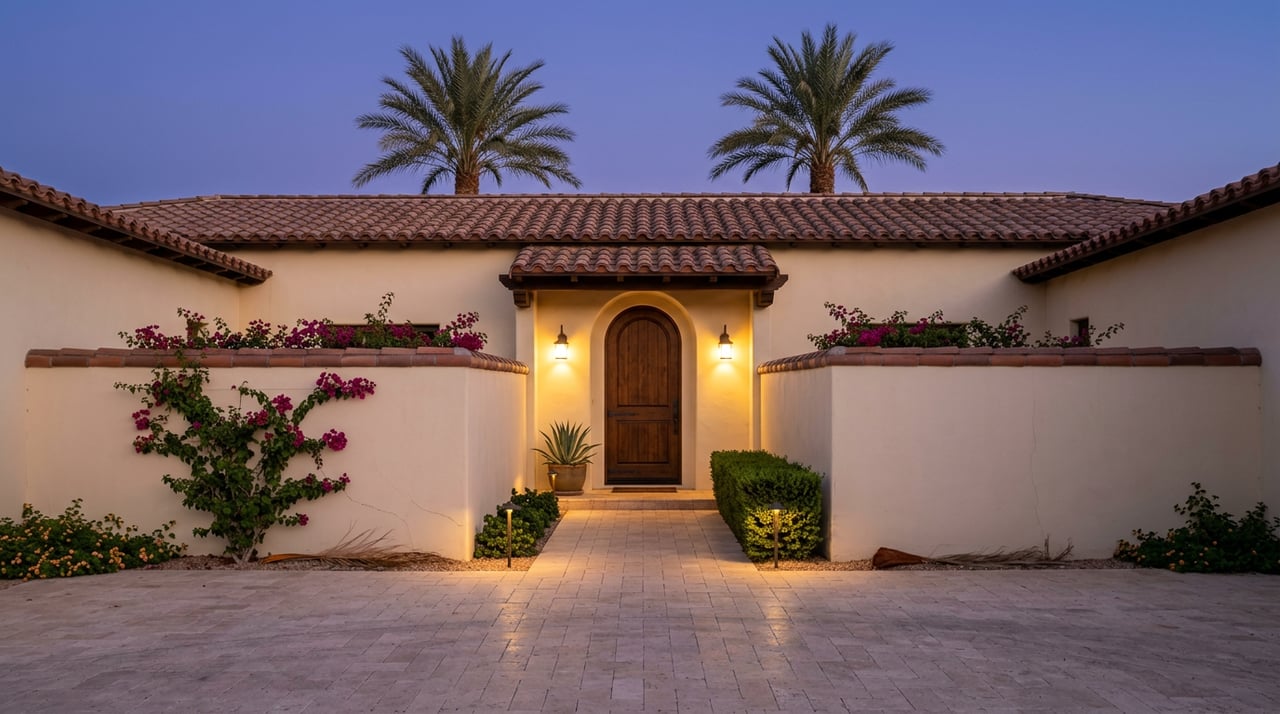
Gated golf and resort communities in La Quinta use staffed or card-access entries and offer private amenities like clubhouses and golf courses. Well-known examples include PGA WEST, The Madison Club, The Hideaway, and communities linked to La Quinta Resort & Club. You can review membership tiers and access policies in the PGA WEST membership materials.
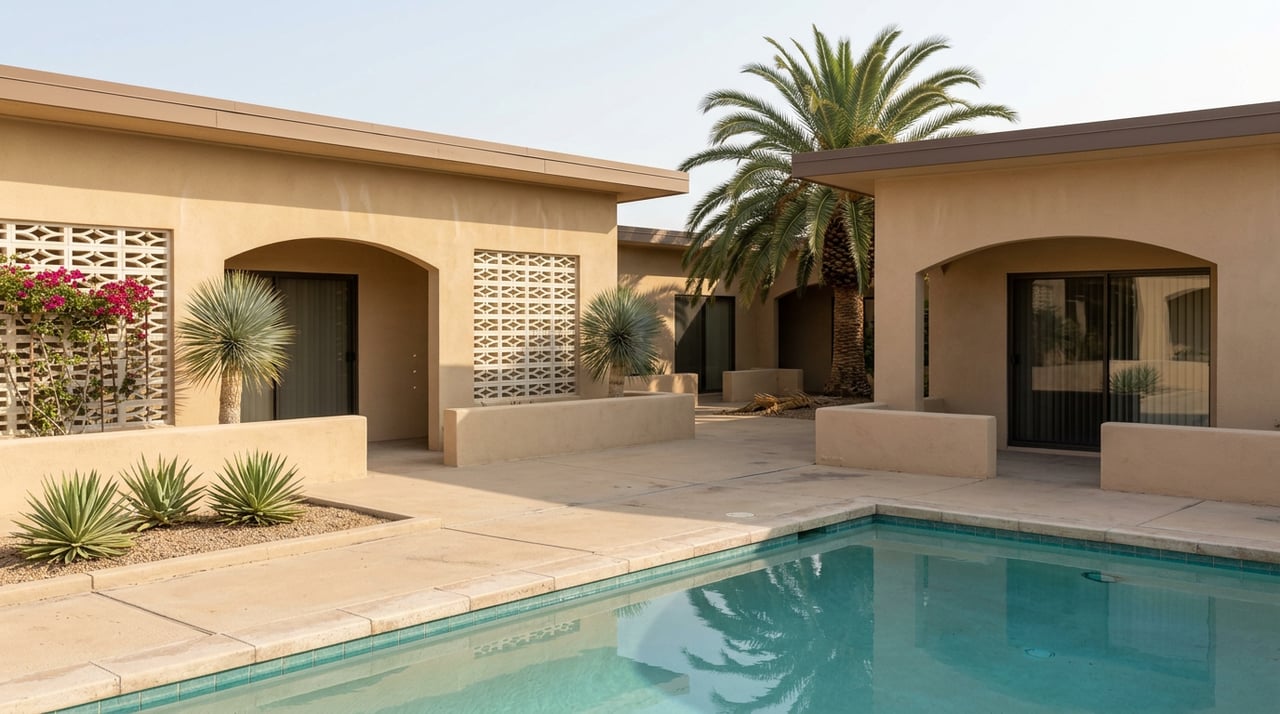
Non-gated neighborhoods include Old Town La Quinta, La Quinta Cove, and many established single-family subdivisions. These areas lean on city services and public parks rather than private club amenities. They often have lower or no HOA dues and simpler guest access.
Security and access control
Gated communities focus on access control. Common features include staffed gates or keycard entry, perimeter walls and landscaping, private patrols, and cameras for common areas. These services are funded through HOA or club budgets. You will see how access and amenities are managed in materials such as the PGA WEST membership brochure.
La Quinta’s policing is through county sheriff services. For quality-of-life and enforcement topics like STVR issues, the city outlines reporting steps on its public safety and code compliance page.
Independent research finds gating can raise perceived safety, but measured effects on crime are mixed and context specific. In short, gates help with access control and peace of mind. They are not a guarantee against crime. See the systematic review on gated communities and safety in the academic literature.
Amenities, HOAs, and monthly costs
Your monthly costs depend on whether you are paying for private amenities and security, plus whether a separate club membership is required for golf or tennis.
Gated community costs
- You typically pay HOA dues for common-area landscaping, gate operations and security contracts, community pools and clubhouses, management, insurance for common elements, and reserves for future repairs. In California, associations follow reserve study and disclosure practices outlined by the Community Associations Institute. Learn more about reserves from CAI’s California guidance.
- Private golf clubs often bill separate initiation fees and annual dues. At PGA WEST, club tiers and privileges are distinct from neighborhood HOA dues, which you can confirm in the club’s membership brochure.
- Ultra-luxury clubs like The Madison Club are known for very high initiation and dues, as reported in national coverage. See an overview of the club model in Forbes’ reporting. Specific costs vary by property and change over time, so always confirm with current club documents.
Non-gated neighborhood costs
- Many non-gated areas have lower or no HOA dues. You typically handle your own exterior maintenance, walls or fences, and security measures.
- Without bundled private amenities, your fixed monthly obligations can be lighter. That can widen your buyer pool at resale, especially for owner-occupants who value flexibility.
Short-term rentals in La Quinta
La Quinta operates a formal Short-Term Vacation Rental program. Most residential areas are closed to new General and Primary STVR permits. New permits may only be issued in limited exempt areas that the city publishes. Start with the city’s STVR portal and the STVR forms and permit types page.
- The city’s exempt list includes several resort or resort-adjacent communities, such as Legacy Villas, La Quinta Resort & Spa Villas, Signature at PGA WEST (Haciendas), Puerta Azul, and SilverRock/Talus. Review the current list in the city’s exempt-areas PDF.
- If the property sits in an HOA, the city requires HOA authorization for an STVR. Even if a neighborhood is on the exempt list, an HOA can still prohibit STRs through its CC&Rs. The reverse is also true: city policy considers HOA controls when granting exemptions. Always verify the CC&Rs and any rental-use amendments before you assume STR potential.
- Hosts are responsible for Transient Occupancy Tax and assessments. La Quinta’s published practice includes a TOT around 10 percent and a Greater Palm Springs TBID assessment often around 1 percent for short stays. Platforms may collect and remit on your behalf, but you remain responsible for accurate reporting. Review platform guidance on tax collection and remittance and confirm details with the city’s STVR pages.
Lifestyle fit and seasonality
Gated golf and resort communities tend to attract buyers who want privacy, on-site amenities, and a lock-and-leave setup. Many residents value social programming, golf access, and a club-centered calendar. You can see a sample of programming emphasis in PGA WEST’s membership materials.
Non-gated neighborhoods often appeal to full-time residents who prefer lower fixed costs and easy access for guests and service providers. You will rely more on city parks, trails, and public amenities.
La Quinta also sits inside a strong event economy. Winter golf season and major events like Indian Wells tennis and nearby Coachella and Stagecoach concentrate tourism demand. That seasonality can drive STR revenue where allowed and also increase traffic and parking pressures on peak weekends. Get broader context in the city’s State of the City.
How to compare your options
Use these side-by-side questions to narrow your fit:
- Security and access: Do you want staffed gates and guest lists, or do you prefer easy, open access for visitors and vendors?
- Amenities: Do you want private pools, fitness, and golf on site, or are public parks and city facilities enough?
- Monthly costs: Are you comfortable with HOA dues and possibly club dues, or do you want to minimize fixed costs?
- STR potential: Is short-term rental income part of your plan? If so, confirm city eligibility and HOA authorization first.
- Resale goals: Will your future buyer likely be a club-focused second-home owner, or an owner-occupant seeking flexible rules and lower overhead?
Buyer verification checklist
Before you write an offer, verify the following for any address you are considering:
- HOA documents and governance: Review current CC&Rs, bylaws, rental-use amendments, guest and parking rules, pet policies, and whether the association is under developer or homeowner control. Confirm any rental caps and how violations are handled.
- HOA financial health: Ask for the most recent budget and reserve study. California associations follow reserve and disclosure practices explained by CAI. Look for pending special assessments or litigation.
- Dues and coverage: Confirm what the HOA covers (gate staffing, landscaping, insurance for common areas, clubhouse operations) and what remains your responsibility.
- Club membership: If you want golf or racquet access, verify whether membership is optional or mandatory, and review initiation and annual dues in the club’s materials.
- STVR status: Use the city’s STVR portal and exempt-areas PDF list to check eligibility for new permits. Confirm permit history and whether any existing permit is transferable, then cross-check HOA authorization on the STVR forms page.
- Safety and enforcement: Know how gates operate, who pays for staffing, and how guests are processed. For city code enforcement and public safety steps, review La Quinta’s code compliance page.
Two quick La Quinta examples
- PGA WEST and similar gated golf communities: You will find multiple gated enclaves, their own sub-associations, and separate club membership tiers. HOA dues and any club charges are distinct. Verify details in the PGA WEST membership brochure, then confirm any property’s sub-association budget and rules.
- La Quinta Cove and Old Town area homes: These non-gated neighborhoods typically have little to no HOA and rely on city amenities. For STVR plans, know that new permits are restricted citywide outside select exempt areas. Check the current exempt-areas list if you are exploring investment use.
The bottom line
If you value privacy, curated amenities, and a strong club lifestyle, a gated La Quinta community may be worth the higher monthly costs. If you want flexible rules, simpler access for everyday living, and lower fixed dues, a non-gated neighborhood might be the better fit. Either way, verify HOA documents, club obligations, and STVR eligibility up front so you buy with confidence.
If you would like a boots-on-the-ground walkthrough of communities that match your goals, reach out. We will map your options and verify the details that matter. Connect with Levi Knapp to Schedule Your Concierge Consultation.
FAQs
What is the core difference in monthly costs between gated and non-gated La Quinta neighborhoods?
- Gated communities layer HOA dues for amenities and security on top of any separate club dues, while many non-gated areas have lower or no HOA dues and rely on city amenities.
Are new short-term rental permits available in most La Quinta neighborhoods?
- No. New General and Primary STVR permits are largely banned outside specific exempt areas, which you can confirm on the city’s STVR portal and exempt-areas list.
Do gates make La Quinta neighborhoods safer?
- Gates improve access control and often increase residents’ sense of safety, but evidence on crime reduction is mixed, so they should not be viewed as a guarantee; see the academic review.
How do HOA dues differ from club dues at PGA WEST?
- HOA dues fund neighborhood operations like landscaping and gate staffing, while PGA WEST club dues are separate charges for golf and club privileges detailed in the membership brochure.
If a home has an existing STVR permit, can a buyer keep it after closing?
- Often no. Existing permits are not generally transferable to new owners, and new permits are limited to exempt areas, so always verify on the city’s STVR portal and with the HOA before you rely on STR income.