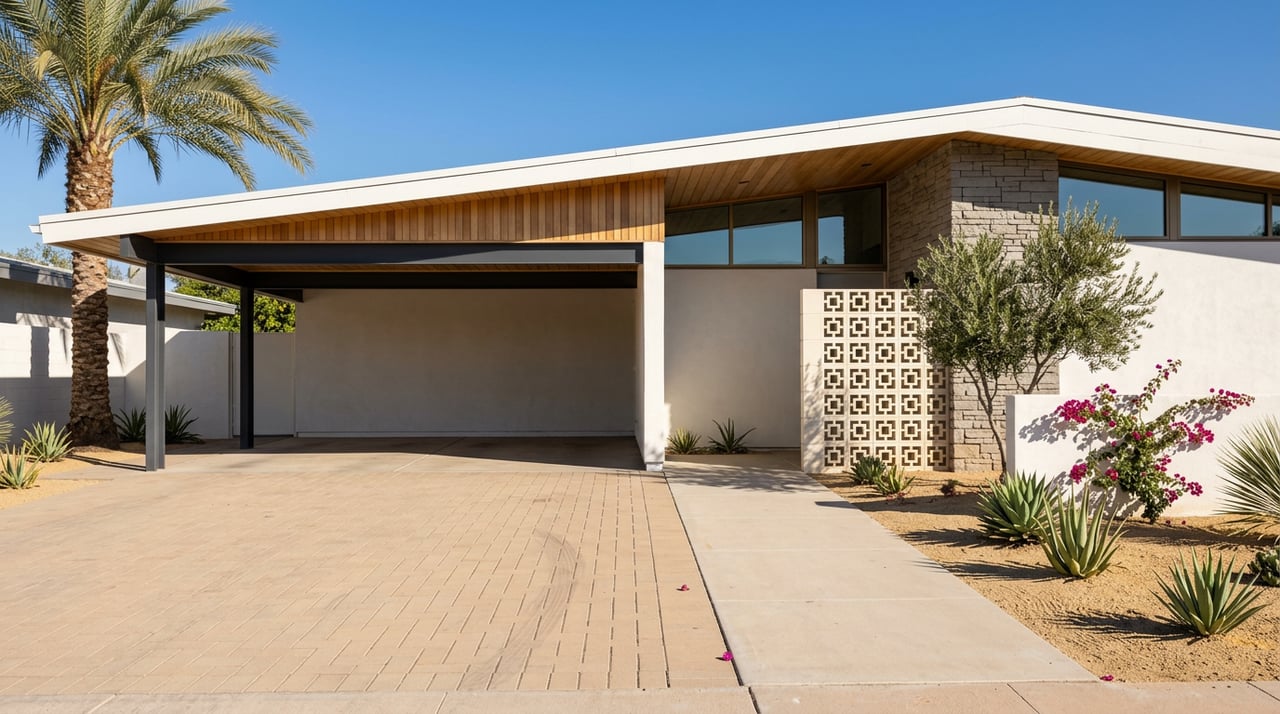
How to Sell a Palm Springs Mid-Century Home at the Right Price
March 24, 2026
March 24, 2026
You only get one chance to make the right first impression on the market. Pricing a Palm Springs mid-century home is not like pricing a standard house across town. Your architecture, neighborhood, seasonality, and even vacation rental rules all shape buyer demand. In this guide, you’ll learn a step-by-step way to set a confident list price, highlight your home’s value drivers, and position your sale for strong results. Let’s dive in.
Palm Springs prices have cooled from the pandemic peak, with recent city medians in the mid-$600K range and buyers taking longer to decide. This softer backdrop makes precise pricing more important. You want to show value without leaving money on the table.
Palm Springs is also a design destination. Modernism Week draws six-figure attendance and national attention to mid-century architecture, which can boost exposure for authentic listings when you time it right. If your home is a great example of Desert Modern design, use that season to your advantage by aligning prep, photos, and launch.
Peak buyer activity typically runs fall through spring, when weather is ideal and seasonal buyers are in town. Listings that go live during this window often see better showing activity. If your home is architecturally significant, plan marketing around February programming, when out-of-area design buyers are paying close attention to Palm Springs. You can reference Modernism Week’s press materials when presenting your timing strategy.
Palm Springs allows vacation rentals, but there are specific permit rules and operating limits. That reality shapes your buyer pool. A home with clear vacation-rental eligibility may attract investors and second-home buyers who value rental income potential. One that cannot be used for short-term rental will appeal more to primary and seasonal users.
Before you price, confirm the property’s status under the city’s vacation rental permit rules in Palm Springs. If eligible, model two scenarios in your pricing memo: one for an investor buyer and one for an owner-occupant. Document your findings and include any permit history.
Palm Springs is recognized worldwide for Desert Modern and mid-century design. Names often featured during Palm Springs programming include Richard Neutra, Albert Frey, E. Stewart Williams, William Krisel, Donald Wexler, and Craig Ellwood. If your home has documented ties to a noted architect or a historically significant subdivision, buyers notice.
Local institutions help sustain demand for authentic examples. The Palm Springs Art Museum’s Architecture & Design Center and preservation groups keep mid-century stories in the spotlight, which supports value for well-documented homes. Citing this context, such as coverage of the Architecture & Design Center, can help buyers and appraisers understand your home’s niche.
Buyers pay for what they can verify. Gather:
Package these materials for showings and for the appraiser. Strong documentation supports pricing at the top of your comp range when appropriate.
Two similar mid-century homes in Palm Springs can price very differently based on neighborhood identity and buyer expectations. Areas like Twin Palms, Vista Las Palmas, Deepwell, Canyon View Estates, The Mesa, and Indian Canyons each have distinct character and price bands. Neighborhood-level comps beat citywide medians every time.
When you build your comp set:
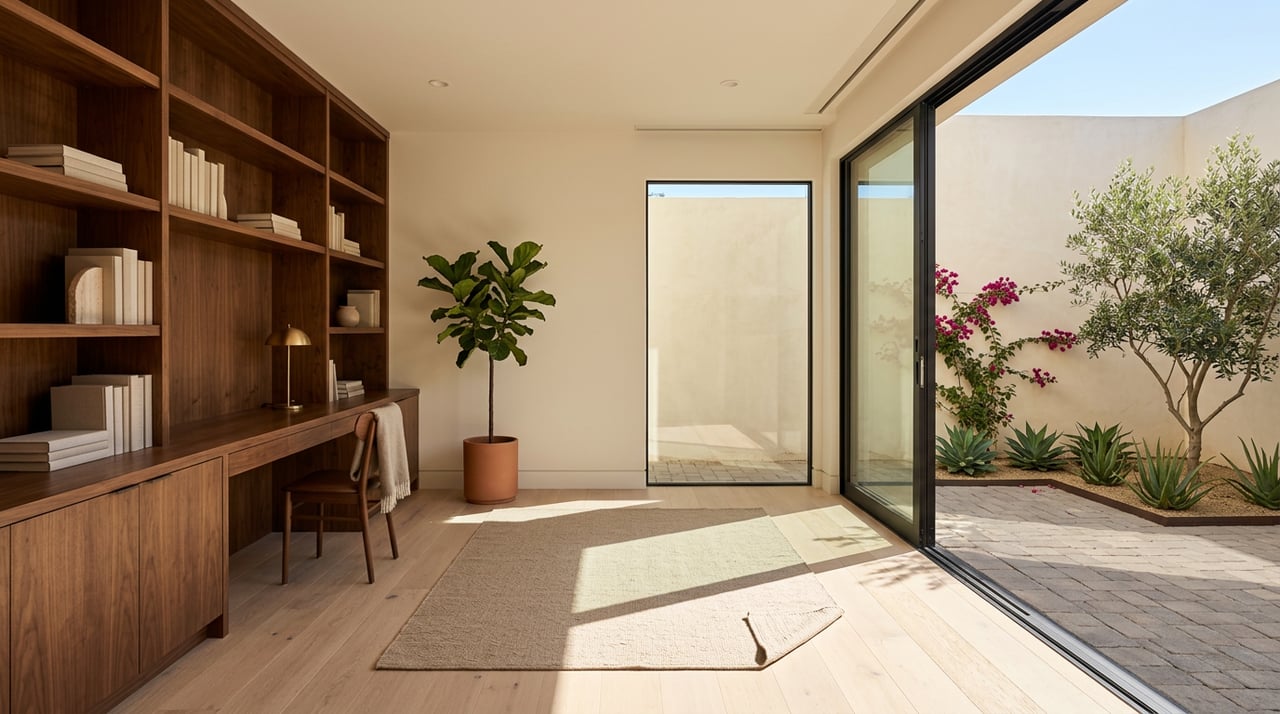
Design-minded buyers prize original elements like post-and-beam ceilings, clerestory windows, terrazzo, and indoor-outdoor flow. At the same time, most want reliable systems and safe, functional kitchens and baths. A winning pricing strategy: protect the character and address the fundamentals.
Modernism programming and preservation groups encourage sensitive restorations over theme-heavy remodels. That approach aligns with how buyers evaluate value in this niche. Emphasize authenticity in your marketing, and invest where it supports confidence.
Industry benchmarks show that targeted, modest projects often recoup better than major luxury overhauls. Use the Cost vs Value benchmarks to help prioritize. Focus on:
These steps tend to support stronger offers and smoother appraisals without over-investing.
Avoid expensive, highly personal finishes that are hard to justify in comps. Large, style-specific luxury gut remodels can be risky in a market where buyers value original materials. When in doubt, preserve, repair, and present cleanly.
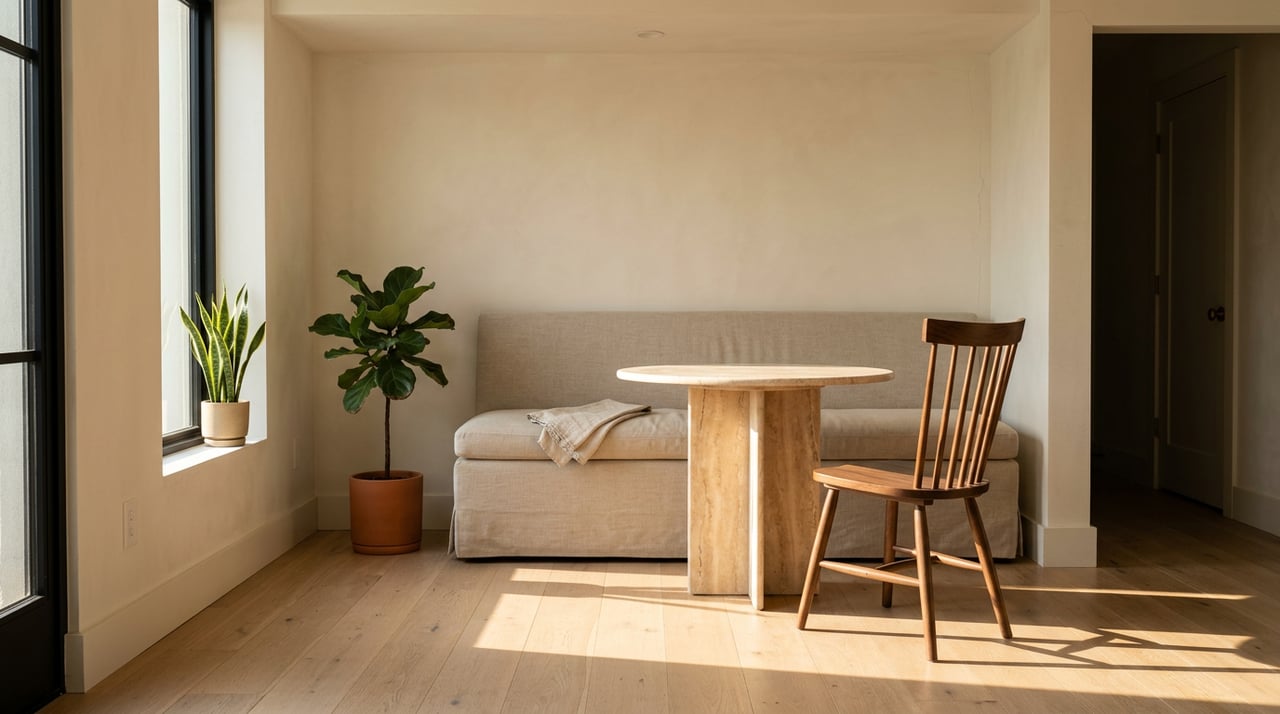
Staging helps buyers picture daily living and scale. Data shows it can reduce days on market and improve perception when done well. Keep it restrained, with a few period-correct pieces and a neutral palette so the lines of the house do the talking. For more context, review NAR’s home staging research.
A disciplined CMA anchors your price in reality and highlights your home’s premiums.
Agree to review showing traffic, online engagement, and feedback after 14 to 21 days. If interest is light or feedback points to a price mismatch, adjust quickly rather than waiting through staleness.
Use this punch list to get market-ready and defend your price.
Selling a Palm Springs mid-century home calls for both art and discipline. We combine neighborhood-level comps, documented provenance, and practical ROI advice to set a price that fits today’s market. Our concierge approach streamlines prep, staging, and timing so your listing meets the right buyers at the right moment.
We work with many second-home and remote sellers, so you can expect clear communication, on-the-ground coordination, and polished marketing distribution through our Desert Sotheby’s International Realty affiliation when appropriate. If you want a pricing plan tailored to your home’s architecture and neighborhood, we’re ready to help.
Ready to price with confidence? Connect with Levi Knapp to schedule your concierge consultation.
Stay up to date on the latest real estate trends.
Whether buying your first desert retreat or selling a signature property, Levi Knapp delivers a seamless and sophisticated experience every step of the way.