Palm Springs Real Estate Market: What Drives Home Prices
December 4, 2025
December 4, 2025
Why do some Palm Springs homes attract multiple offers in January while others sit through the summer? If you are buying or selling in the desert, timing and property type matter as much as price. You want a clear, local playbook that explains what actually moves value here so you can plan with confidence. In this guide, you will learn the forces that shape Palm Springs pricing and how to use them to your advantage. Let’s dive in.
Palm Springs is a unique blend of primary residences, second homes, luxury design properties, and vacation rentals. That mix creates price rhythms you do not see in most metro markets. Five forces tend to set the tone: seasonality, inventory, cash buyers, architecture, and HOA or golf-community factors. Broader trends like mortgage rates, tourism, and water policy also show up in pricing.
Palm Springs sees a clear winter demand spike. As seasonal residents and visitors arrive in late fall through spring, showings and offers rise. That activity can compress days on market and lift prices for well-positioned listings.
Summer is quieter. Extreme heat and fewer seasonal visitors reduce traffic, which can create more room for negotiation if you are buying. The tradeoff is that inventory may be thinner in the off-season, so you could have fewer choices.
Because some second-home owners time listings around their own travel, active inventory can actually dip in peak season. The result is higher competition for the homes that are available. If you are selling, listing into this demand can mean a faster sale. If you are buying, shopping off-season may deliver value, but be ready to act when the right home appears.
Inventory is shaped by how people use homes here. Second-home owners may hold properties off market for long stretches. Short-term rental demand pulls some homes out of the long-term pool. Within the city, land and zoning constraints limit large new subdivisions, so new supply often arrives as infill, remodels, or custom builds.
In a smaller market like Palm Springs, even modest changes in active listings can swing the numbers. When inventory is tight and demand is steady, prices and speed-to-sale usually rise. When a wave of homes hits the market, especially investor-held or similar product types, buyers gain leverage and price pressure can appear quickly.
Palm Springs typically sees an outsized share of cash transactions compared to many U.S. markets. Second-home buyers, retirees, and design-focused luxury buyers often prefer cash for speed and certainty. Sellers respond to that with pricing and offer strategies that favor clean terms and quick closings.
Interest rates still matter. When rates are high, financed buyers feel it and cash can dominate more of the activity. When rates ease, the financed buyer pool grows and competition broadens. If you are financing, sharpen your terms. If you are selling, expect a mix that changes with rate cycles and neighborhood price points.
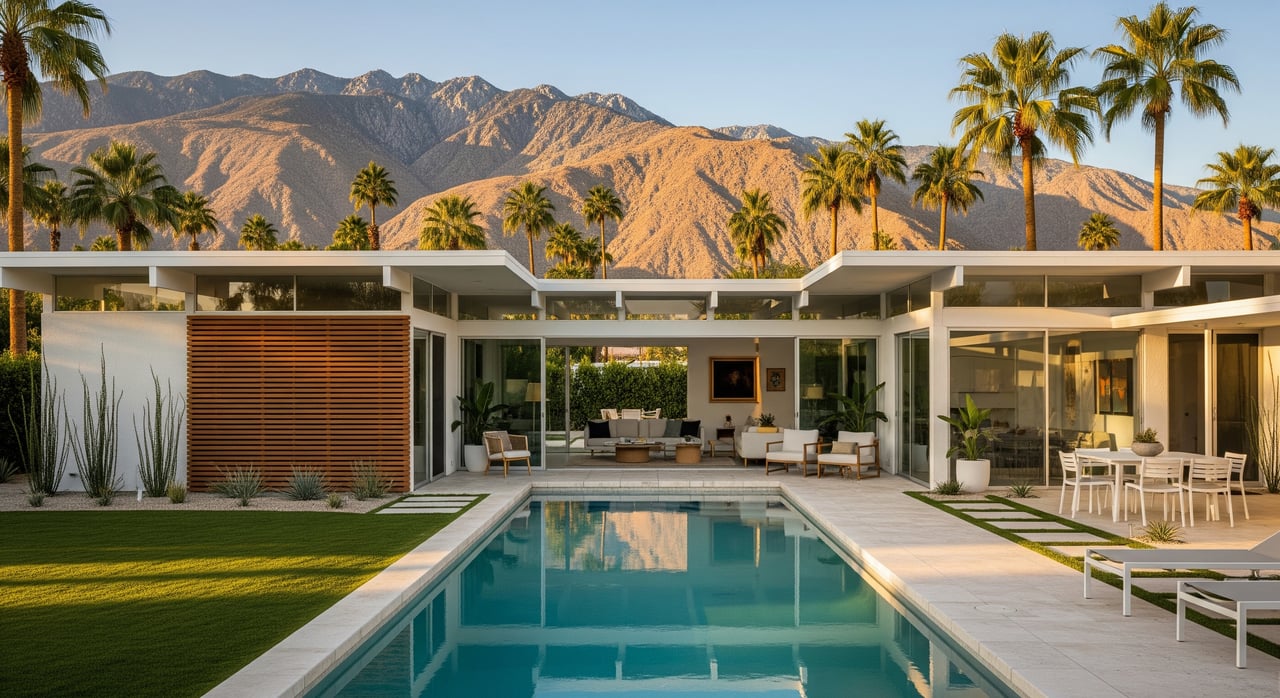
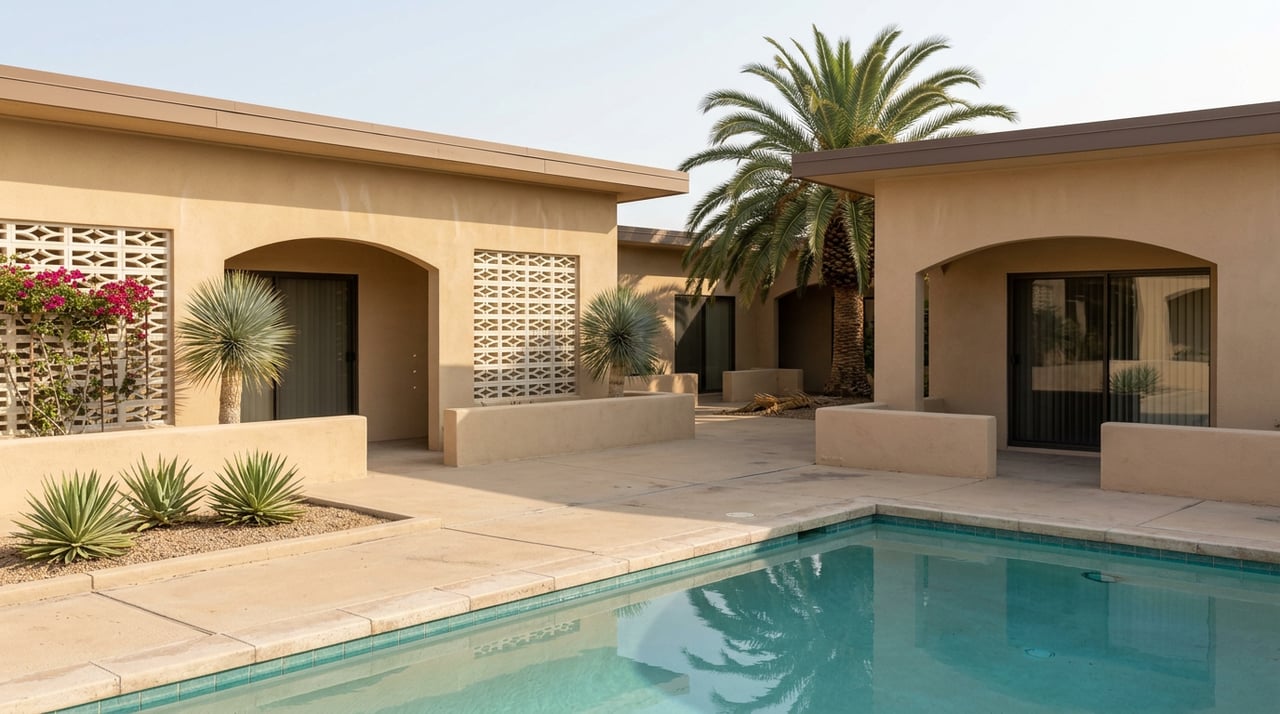
Mid-century modern design is part of Palm Springs’ identity. Authentic, well-preserved, or professionally restored examples often command strong interest and may sell above undistinguished comparables. Buyers value design authenticity, indoor-outdoor flow, and the cultural appeal.
Premiums for mid-century homes are not automatic. Condition, architectural integrity, provenance, neighborhood, lot orientation, views, and system upgrades all matter. Homes with known architect attribution and thoughtful restoration tend to perform best.
New construction and contemporary homes also draw premiums when they deliver space, energy efficiency, luxury finishes, and turnkey ease. In some neighborhoods, larger new builds surpass mid-century prices, especially when they offer pools, privacy, and modern amenities.
The takeaway for pricing is simple. Compare like to like. Use nearby comps that share style, lot, view, and condition. For sellers of mid-century homes, preserving architectural integrity can widen your buyer pool and support value. For buyers, decide whether design pedigree or modern systems matter more for your lifestyle and budget.
HOA fees in Palm Springs range from minimal to high, depending on amenities. Communities that include landscaping, multiple pools, security, and private roads provide convenience and can support higher prices. Those fees are a real carrying cost, so factor them into monthly affordability.
Golf-course proximity is a lifestyle plus for many buyers and can add value for those who prioritize recreation and views. There are also tradeoffs to weigh, including maintenance noise, special assessments for course upkeep, and the long-term outlook for any specific course.
If short-term rental income is part of your plan, pay close attention to HOA rules. Some communities restrict or ban short-term rentals. Citywide STR regulations and HOA policies work together, and they can make or break an investment case.
Palm Springs neighborhoods vary widely by architecture, topography, and amenities. Architecturally notable areas such as Movie Colony, Old Las Palmas, Twin Palms, Vista Las Palmas, and Deepwell are known for mid-century character and typically see strong design-driven demand. Canyon and hillside pockets offer views and privacy, with different considerations for remodels and access.
North and south Palm Springs include newer infill and custom homes, while condo communities attract buyers seeking lower maintenance and price points. In condos, HOA rules and dues are central to value. When comparing neighborhoods, keep your lens narrow and rely on nearby, style-specific comps.
Use this simple framework when you evaluate price, whether you are buying or selling:
When you understand how seasonality, inventory, cash dynamics, architecture, and HOA or golf factors work together, the market becomes much more predictable. With a clear plan, you can price accurately, spot value, and move at the right moment.
If you want neighborhood-level comps, guidance on timing, or help aligning property type with your goals, reach out. We offer concierge, boots-on-the-ground support for local and remote clients alike. Connect with Levi Knapp to plan your next move.
Stay up to date on the latest real estate trends.
Whether buying your first desert retreat or selling a signature property, Levi Knapp delivers a seamless and sophisticated experience every step of the way.