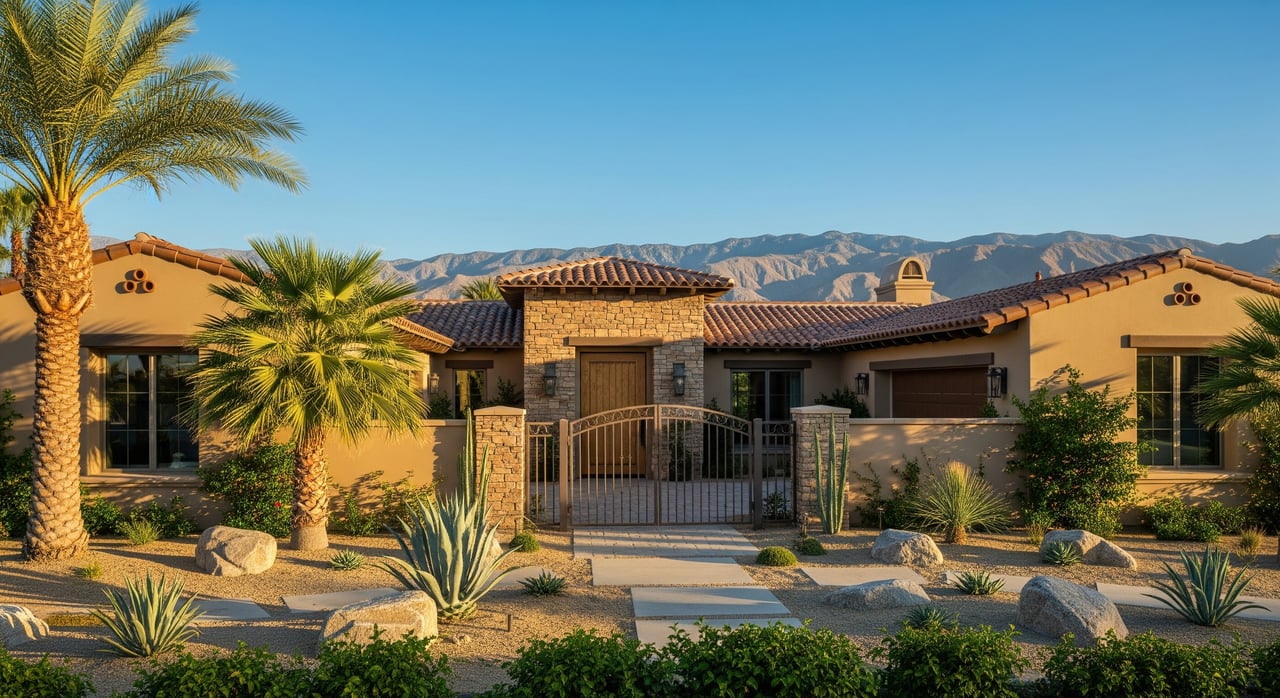
La Quinta Home Insurance Basics for Desert Buyers
January 1, 2026
January 1, 2026
Buying a desert home in La Quinta should feel exciting, not confusing. Yet insurance questions often pop up fast, especially around pools, older roofs, rooftop solar, HOA master policies, and second‑home rules. You want clear answers so you can protect your investment and budget wisely. In this guide, you’ll learn how La Quinta’s desert climate and community types affect coverage, what to watch for during due diligence, and which official resources can help you compare options. Let’s dive in.
La Quinta’s Coachella Valley climate means very hot summers, intense sun, and occasional strong winds. That combination can age roofs faster, increase pool usage, and create debris or wind‑driven loss scenarios. Properties near mountain foothills can also face elevated wildfire risk, which can impact underwriting, premiums, and required mitigation.
You should also plan for hazards that standard homeowners policies do not cover. Earthquake damage is typically excluded, and many local owners add a separate earthquake policy through private carriers or the California Earthquake Authority. Flood is also excluded on standard policies. Desert areas can see flash flooding in washes or low‑lying spots after intense storms, so it is smart to check parcel‑specific zones using the FEMA Flood Map Service Center and review options through the National Flood Insurance Program’s consumer site.
If you struggle to find private coverage due to wildfire or other risk factors, the California FAIR Plan can be a last‑resort option. For general consumer guidance and ways to compare insurers, the California Department of Insurance offers up‑to‑date resources.
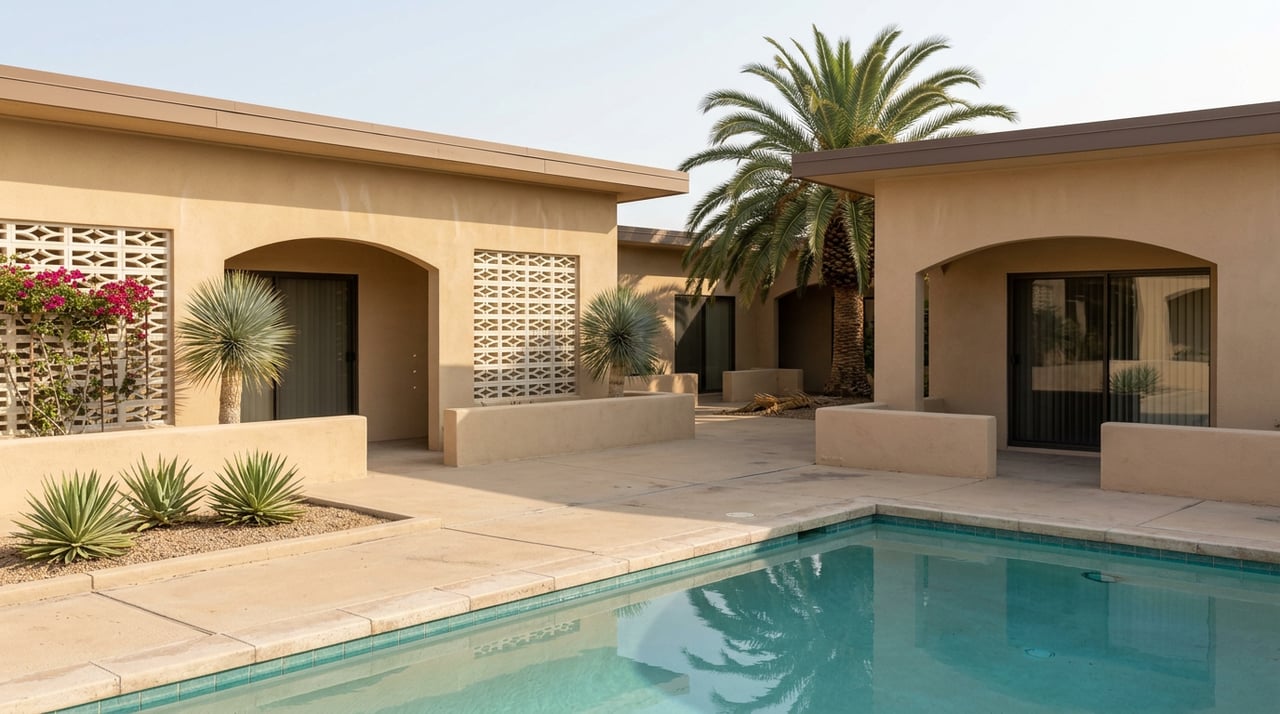
Pools add lifestyle value, but they also increase liability exposure. Standard homeowners policies include personal liability, but limits may be too low for pool claims. Consider higher limits or an umbrella policy for added protection. The Insurance Information Institute offers helpful background on liability coverage basics.
Insurers often ask about safety measures, such as compliant fencing, self‑closing gates, or pool alarms. Before you close, confirm that the pool meets local code and ask for permits and final inspections for installation or renovation. Proper documentation can smooth underwriting and help with future claims.
Beyond bodily injury liability, pools can drive water and equipment claims. Water backup, pump failure, and equipment breakdown may be excluded or limited unless you add specific endorsements. Ask your carrier about available riders and limits.
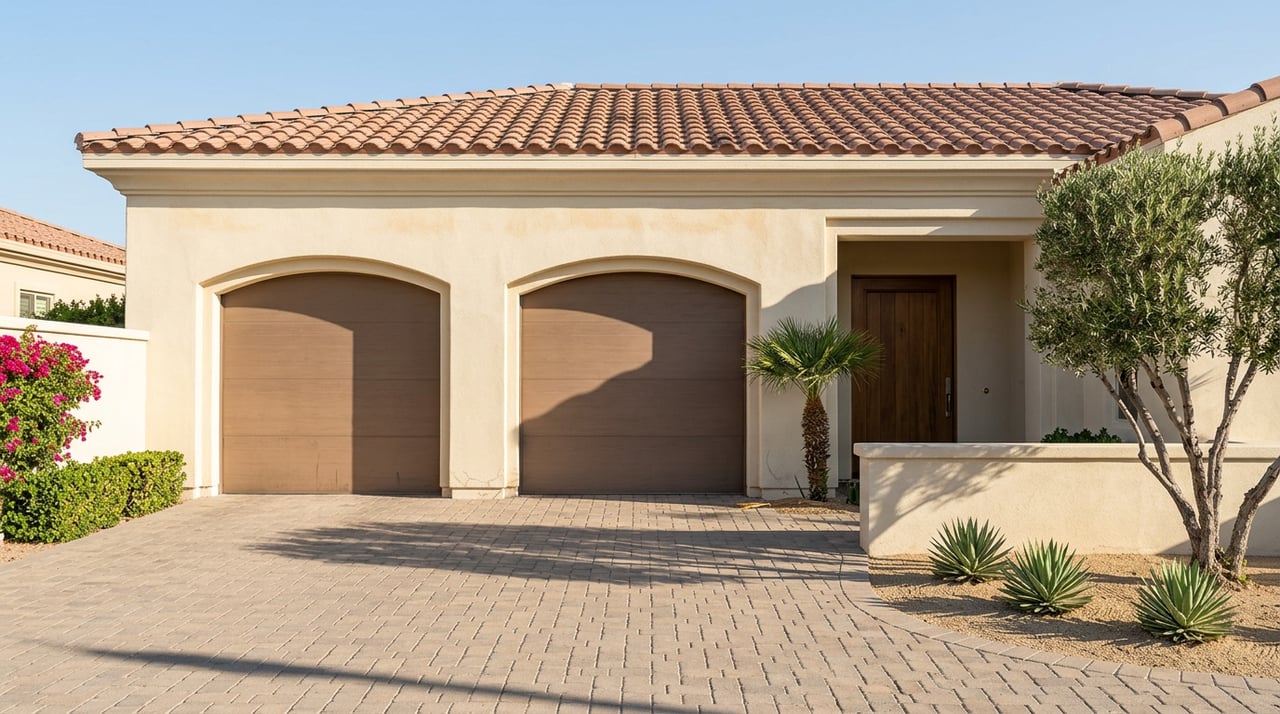
In the desert, sun and heat can speed up roof wear. Underwriting often hinges on roof age, material, and condition. Older roofs can trigger inspections, higher premiums, or even nonrenewal depending on carrier guidelines. Tile roofs can offer longevity, but all systems can be affected by thermal cycling and wind.
Coverage can also shift as roofs age. Some carriers insure older roofs for actual cash value rather than replacement cost, which increases your out‑of‑pocket after a loss. Ask each insurer about roof depreciation schedules and whether a recent inspection or certification from a licensed roofer could qualify the home for replacement cost coverage.
Keep maintenance records, permits, and contractor certifications. This documentation can improve insurability and help negotiate better pricing.
Solar panels may be covered as part of the dwelling if roof‑mounted, or they may be treated as other structures or scheduled property. Treatment varies by carrier and by installation type. Some policies limit coverage or default to actual cash value for panels, so ask about replacement cost and any solar‑specific endorsements.
Insurers commonly ask about the installation date and installer, permit history, and whether mounts penetrate the roof. They may also ask about anti‑theft devices, monitoring, and any battery storage or inverter equipment. Batteries and inverters can require separate or enhanced coverage, sometimes through an equipment breakdown endorsement.
Request all permits and final inspections from the seller or the city. The City of La Quinta Building Division is a useful place to confirm permit history and code compliance.
Many La Quinta homes are second or seasonal residences. Insurers treat occupancy differently for these properties. A long vacancy can change coverage or trigger surcharges unless you disclose and carry the right policy or endorsement. Ask how long the home can be unoccupied and what you must do to maintain coverage.
If you plan to use the home as a short‑term or vacation rental, disclose this up front. Many personal policies exclude short‑term rental activity unless you add specific endorsements or use a landlord or short‑term rental policy. Rental activity also increases liability, so consider higher limits.
Budget for potentially higher premiums on second homes, vacancy endorsements if needed, and added liability coverage. If your property sits in an HOA, plan for possible loss assessments and confirm you have adequate loss assessment limits.
La Quinta has many gated and resort communities with HOAs. Master policies vary widely. Some cover only common areas and the building shell, while others offer broader protection. For single‑family homes in HOAs, the master policy often covers common elements but not the individual dwelling. For condos, an HO‑6 policy is typically needed to cover interiors and personal property.
Before you close, request the CC&Rs, bylaws, reserve study, and the master policy declarations, including perils, limits, and deductibles. High master deductibles, especially for wildfire or earthquake, can lead to special assessments on owners. Personal policies usually offer loss assessment coverage, but default limits may be low. You can often increase this limit to match potential exposure.
Coordinate carefully. Confirm who insures the roof, exterior, patios, fencing, landscaping, and any interior upgrades. Clarify what the master policy covers and where your personal policy must fill the gaps.
Standard homeowners policies typically exclude:
Insurers reward well‑maintained, well‑documented homes. In wildfire‑exposed areas, defensible space, ember‑resistant vents, noncombustible materials, and approved roofing can improve insurability. For guidance, review resources from CAL FIRE and the Riverside County Fire Department.
For pools, install compliant barriers, self‑closing gates, and consider alarms. Keep permits, inspection records, and maintenance logs. For roofs, schedule periodic inspections and address repairs quickly. Home security, monitored alarms, and smoke/CO detectors can also help with pricing.
Good documentation matters. Maintain permits, receipts, installer certifications, and recent inspection reports in a single file to share with carriers.
Use this quick list during due diligence:
When you are buying from a distance or juggling a busy schedule, details can slip. We help you request the right documents early, coordinate with your insurance professional, and spot potential gaps so you can adjust coverage before closing. Our goal is to keep your La Quinta purchase smooth and stress‑light so you can focus on the lifestyle you came for.
If you are weighing homes across PGA West, La Quinta Resort area, or other gated communities, we will help you compare how HOAs manage insurance, what the master policy covers, and which endorsements you may want to carry. With clear guidance and organized due diligence, you can secure coverage that matches your needs and protect your desert retreat for the long term.
Ready to map out your insurance due diligence alongside your home search? Reach out to Levi Knapp for a concierge consultation tailored to your La Quinta purchase.
Stay up to date on the latest real estate trends.

Whether buying your first desert retreat or selling a signature property, Levi Knapp delivers a seamless and sophisticated experience every step of the way.